



Soho NYC — Complete Guide to Living & Buying
By: Michael Comandini | The Aesthetic Broker | mc@comandinire.com
Updated: March 2026
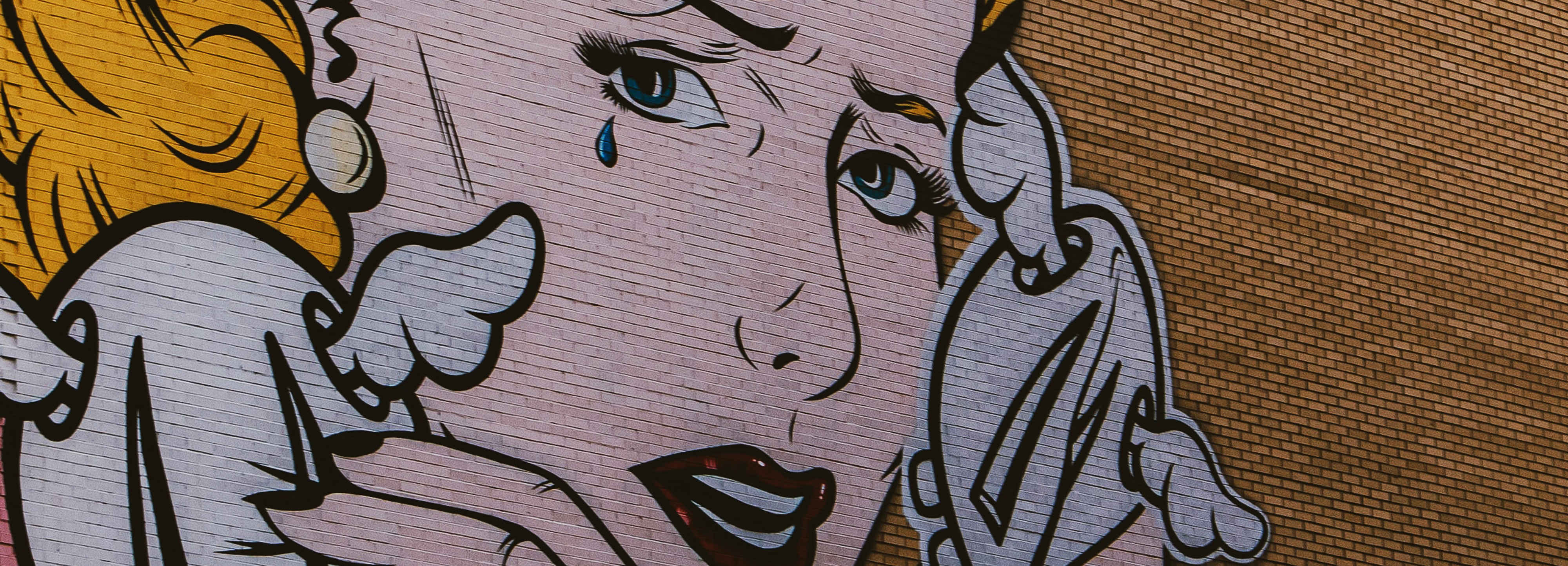
I've been selling real estate in NYC for fifteen years, and SoHo still stops me in my tracks. Not because of the shopping or the weekend crowds on Broadway — but when the sun hits the cast-iron facades on Greene Street, the models posing, the street art — this neighborhood personifies ENERGY .
Overview & Vibe
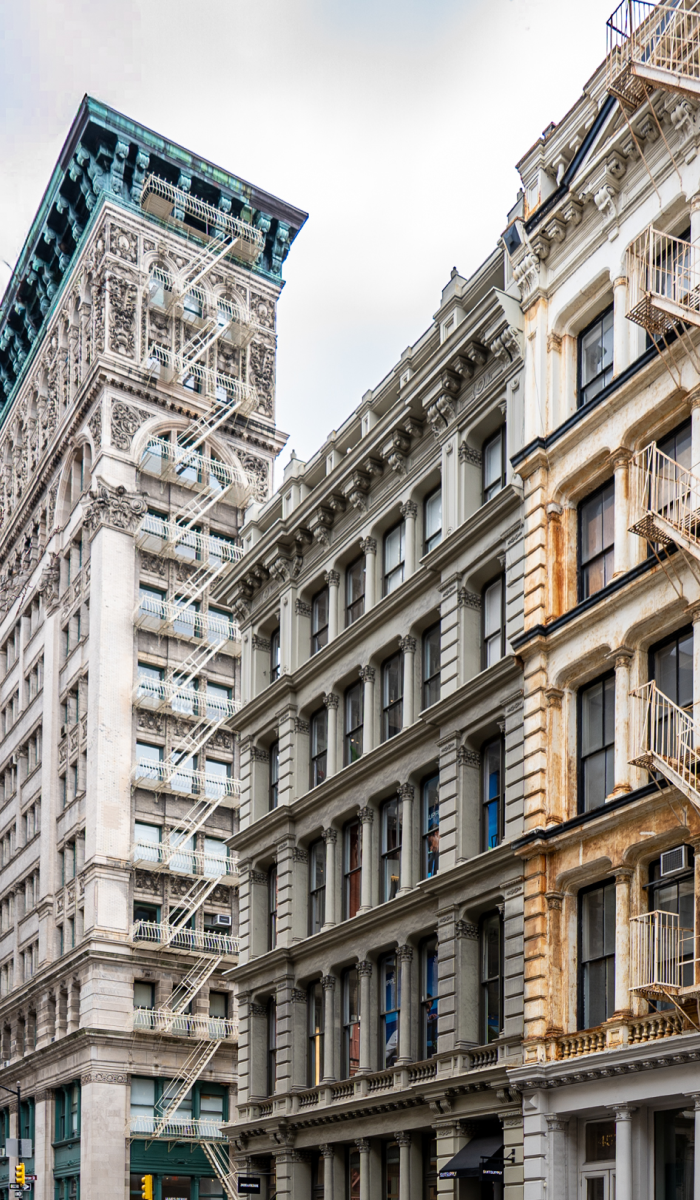
SoHo — short for South of Houston — runs from Houston Street down to Canal, bounded by Lafayette to the east and Sixth Avenue to the west. Within those borders sits the greatest concentration of cast-iron architecture on earth. That's not marketing copy. It's a fact. The SoHo-Cast Iron Historic District was landmarked in 1973, and it saved roughly 250 buildings from the wrecking ball. Today those same buildings house some of the most coveted loft apartments in the world.
The neighborhood's origin story is essential context for anyone considering living in SoHo NYC. In the 1960s and '70s, artists — Rauschenberg, Judd, Serra — colonized abandoned manufacturing lofts south of Houston because the rents were nothing and the spaces were enormous. Galleries followed. Then restaurants. Then fashion. Then money. SoHo's evolution from industrial wasteland to artist colony to luxury destination is the defining gentrification narrative of modern New York.
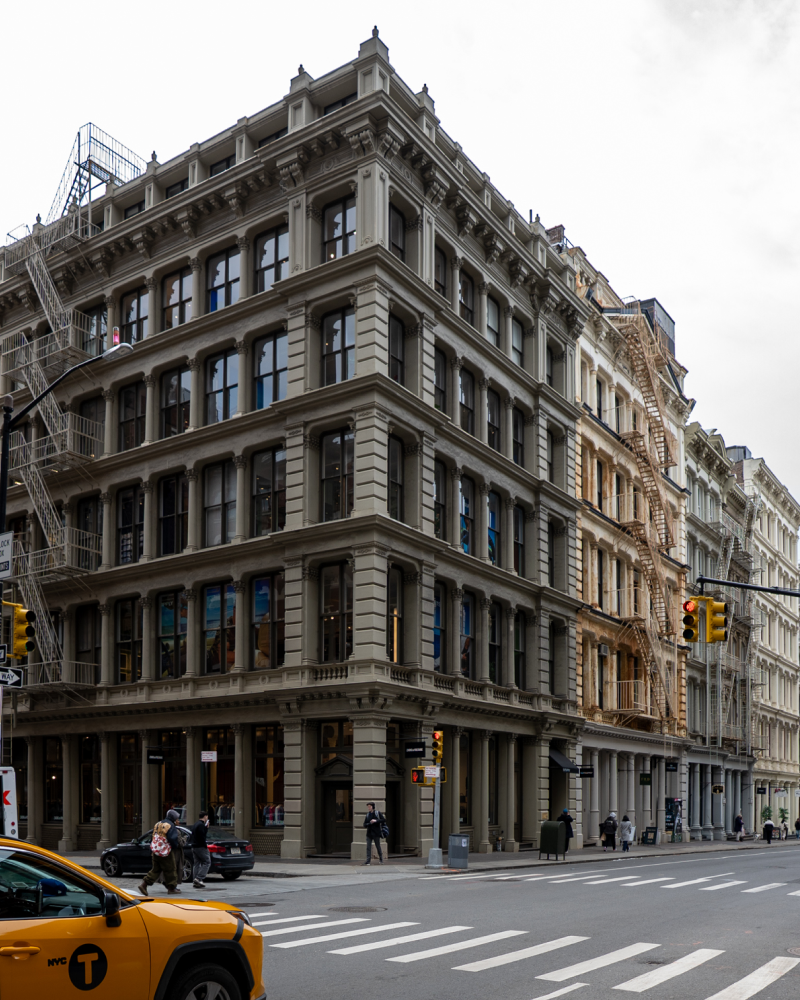
Art, history, and plenty of cast iron make SoHo the premier tourist attraction.
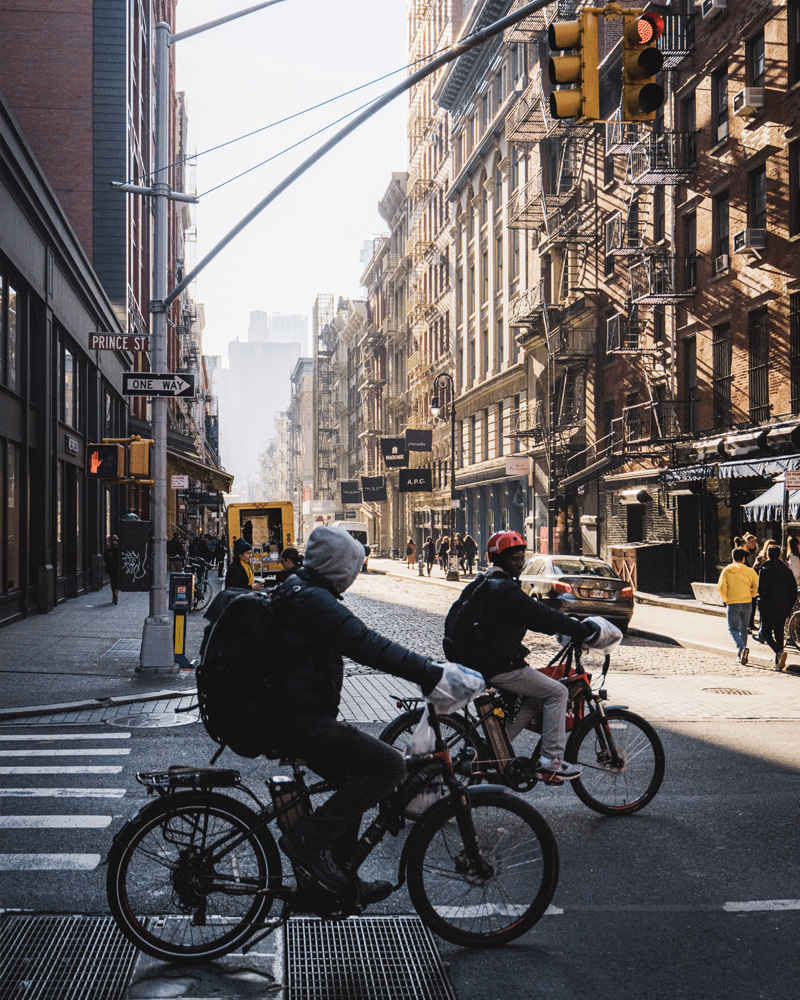
Here's what most guides won't tell you: SoHo has two faces. Broadway, Prince Street, and Spring Street on weekends are a crush of tourists and shopping bags. But step one block east to Crosby Street or one block west to Wooster, and you're on quiet, cobblestoned blocks where the only sound is your own footsteps. The residents who actually live here — and there are more than people think — know these corridors intimately. That duality is precisely what makes SoHo magnetic.
Nolita (North of Little Italy) sits on SoHo's eastern edge and shares much of its energy — indie boutiques, excellent coffee, a slightly younger crowd. I often show buyers in both areas simultaneously because the lifestyle overlap is significant. To the south, you brush against the northern reaches of Little Italy and Chinatown. To the west, you're a short walk into the West Village , and south into TriBeCa . SoHo sits at the intersection of everything.
SoHo Real Estate
Let's talk numbers, because SoHo NYC real estate operates in a category of it's own.
Pricing (2026)
Condos: Median sale prices for SoHo condos sit around $2.5–$3.2 million , with price per square foot typically ranging from $1,800 to $2,800+ depending on the building, floor, and finishes. Trophy lofts in premier buildings regularly trade above $3,000/sq ft.
Co-ops : SoHo has a smaller co-op inventory compared to the Upper East Side or West Village, but they exist — often in converted loft buildings. Median co-op prices tend to run $1.2–$2 million , offering relative value for the neighborhood. Board approval processes vary; some are straightforward, others rigorous.
Rentals: One-bedrooms start around $4,000–$5,500/month . Loft-style units with real square footage command $7,000–$15,000+.
Market Dynamics
SoHo inventory is perpetually tight. Many loft owners hold for decades — they bought in the '90s or early 2000s, and nothing else in the city replicates what they have. When a properly renovated floor-through loft hits the market on a prime block, it moves. I tell buyers: if you want SoHo, be ready. Hesitation costs you.
Looking to make SoHo home?
I've been selling in this neighborhood for over a decade, and know these buildings inside and out — literally.
[Let's talk →]
My Favorite Soho Streets
Every neighborhood has streets, but SoHo has streets . The kind that make you feel something.
Greene Street — Belgian-block streets, cast-iron facades, and the sheer scale of the architecture — this is one of my favorite streets in the city. When I take new buyers to Soho, this where they say, "Okay, I get it."
Crosby Street — SoHo's secret weapon. One block east of Broadway, but it feels like a different planet. Narrow, cobblestoned, almost European. The buildings are lower here, the light different. If Greene Street is SoHo's showpiece, Crosby is its soul.
Mercer Street — Anchored by The Mercer Hotel, this street has a particular gravity. It's where fashion, art, and architecture converge without trying. Some of SoHo's best residential lofts sit on Mercer.
Prince Street — Yes, it gets crowded. But the eastern stretch near Mott and Elizabeth (sliding into Nolita) is one of my favorite walks in the city. The storefronts here still have personality.
Wooster Street — Quieter than Greene, with strong gallery presence and some of the neighborhood's most coveted loft buildings. Walking Wooster at dusk is a near-spiritual experience if you care about architecture.
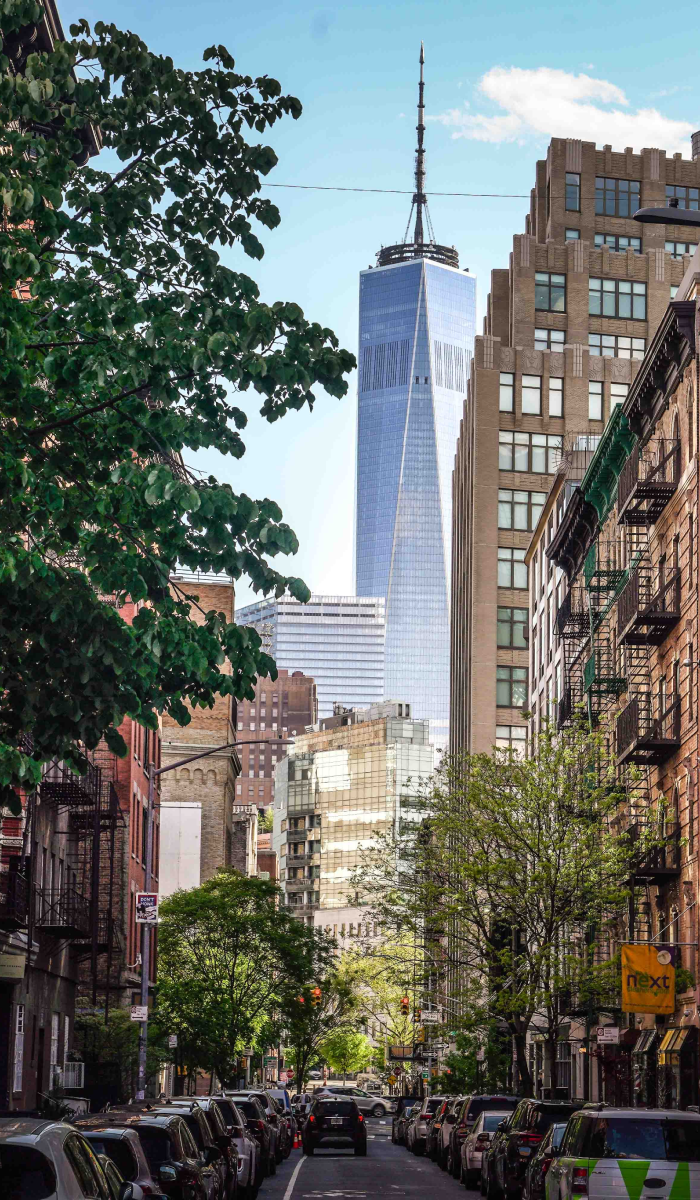
Thompson Street — Quiet, tree-lined, residential, and a picture-perfect view of the Freedom Towner (pictured to the right).