



Financial District (FiDi) NYC — Complete Guide to Living & Buying
By: Michael Comandini | The Aesthetic Broker | mc@comandinire.com
Updated: March 2026
Overview & Vibe
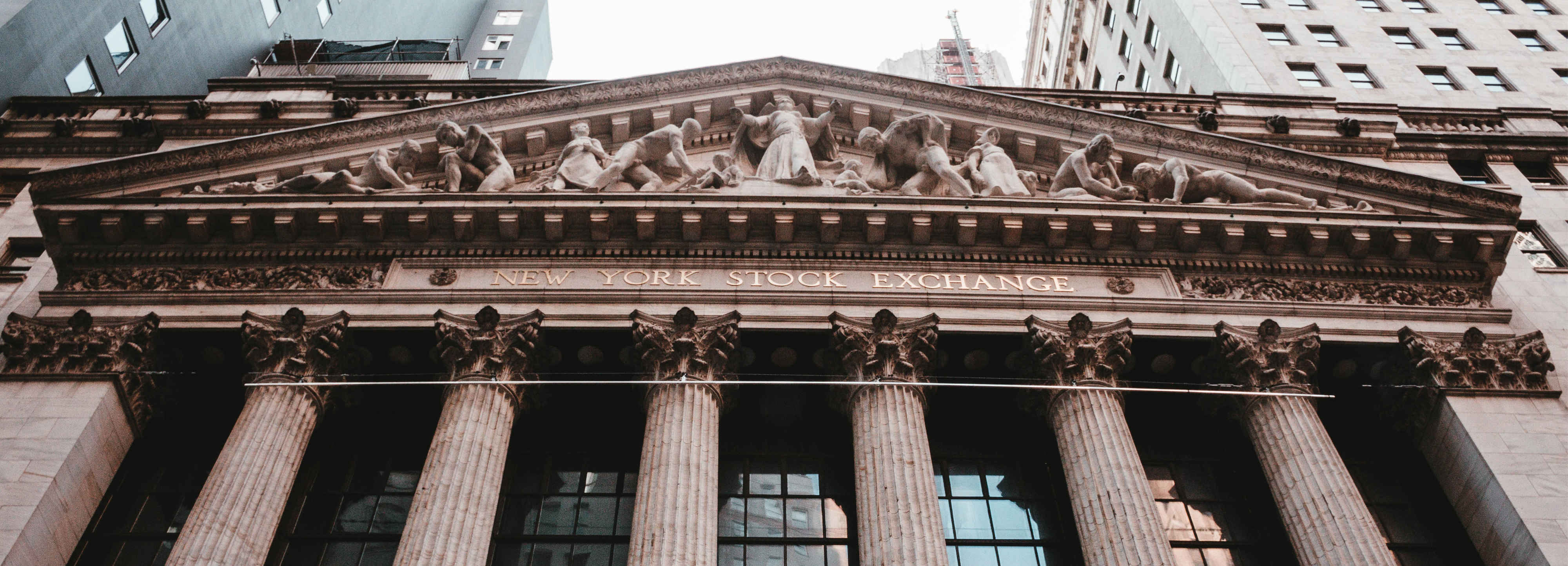
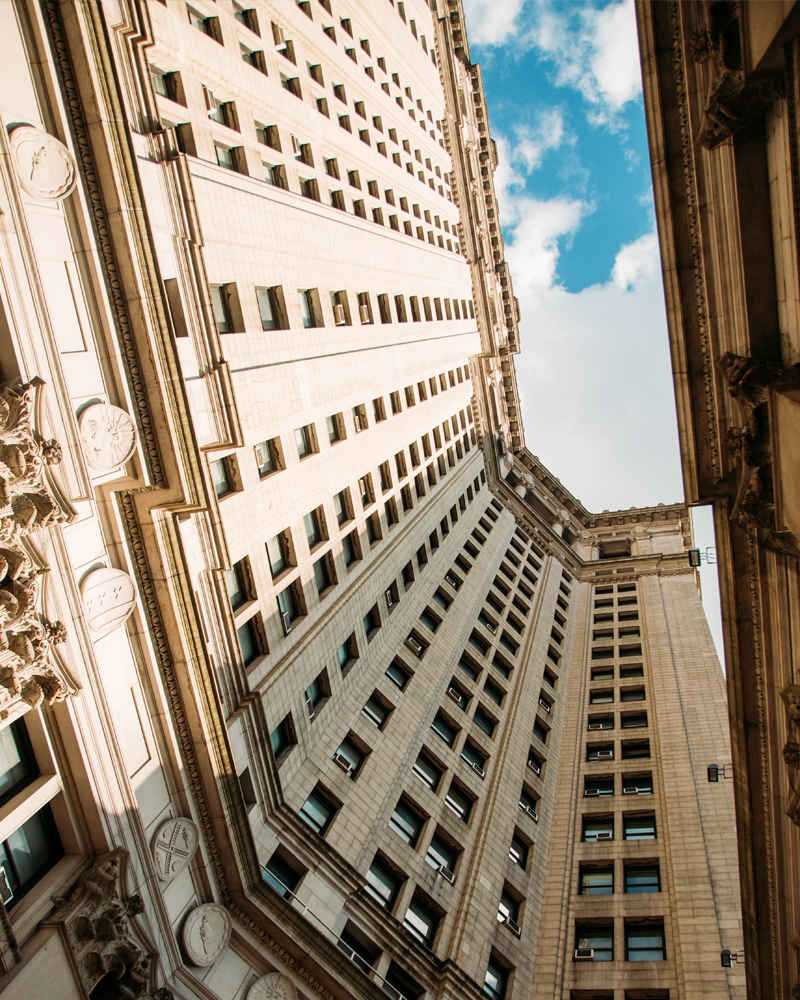
The Financial District isn't just the oldest neighborhood in Manhattan — it's where the entire city began. Before the brownstones of Brooklyn, before the tenements of the Lower East Side, before anyone even dreamed of Midtown, there was this narrow strip of land at the southern tip of the island. Dutch traders, colonial merchants, and eventually the titans of American finance all built here, layer upon layer, century after century. And that layering? You can feel it in every block. I've walked clients through FiDi hundreds of times, and the thing that always stops people mid-sentence is the architectural contrast. You'll turn a corner from a narrow cobblestone lane lined with 19th-century facades and suddenly you're staring up at the glass-and-steel curtain wall of a 60-story residential tower. The Charging Bull sits a few hundred feet from the avant-garde curves of the Oculus. Federal Hall, where George Washington took the oath of office, faces the New York Stock Exchange across a street barely wide enough for two cars.

The Financial District is one of the most historic neighborhoods in Manhattan.
Living in the Financial District NYC means existing inside that tension — old world and ultra-modern, institutional power and emerging residential life. For years, people dismissed FiDi as a place you commuted to, not a place you lived. That narrative is dead. The wave of office-to-residential conversions that began in the early 2000s has transformed this neighborhood into one of the most compelling residential plays in downtown Manhattan. The streets that empty out at 6 PM on a Friday? They're filling up. Restaurants are staying open on weekends. Families are pushing strollers along the waterfront. The shift is real, and it's accelerating.
If you're looking for FiDi apartments with genuine character, world-class transit, and pricing that still undercuts TriBeCa and the West Village by a meaningful margin — you need to pay attention to what's happening down here.
Real Estate Market
The Financial District is the value play of downtown Manhattan, and the numbers back it up.
Current Pricing (2026)
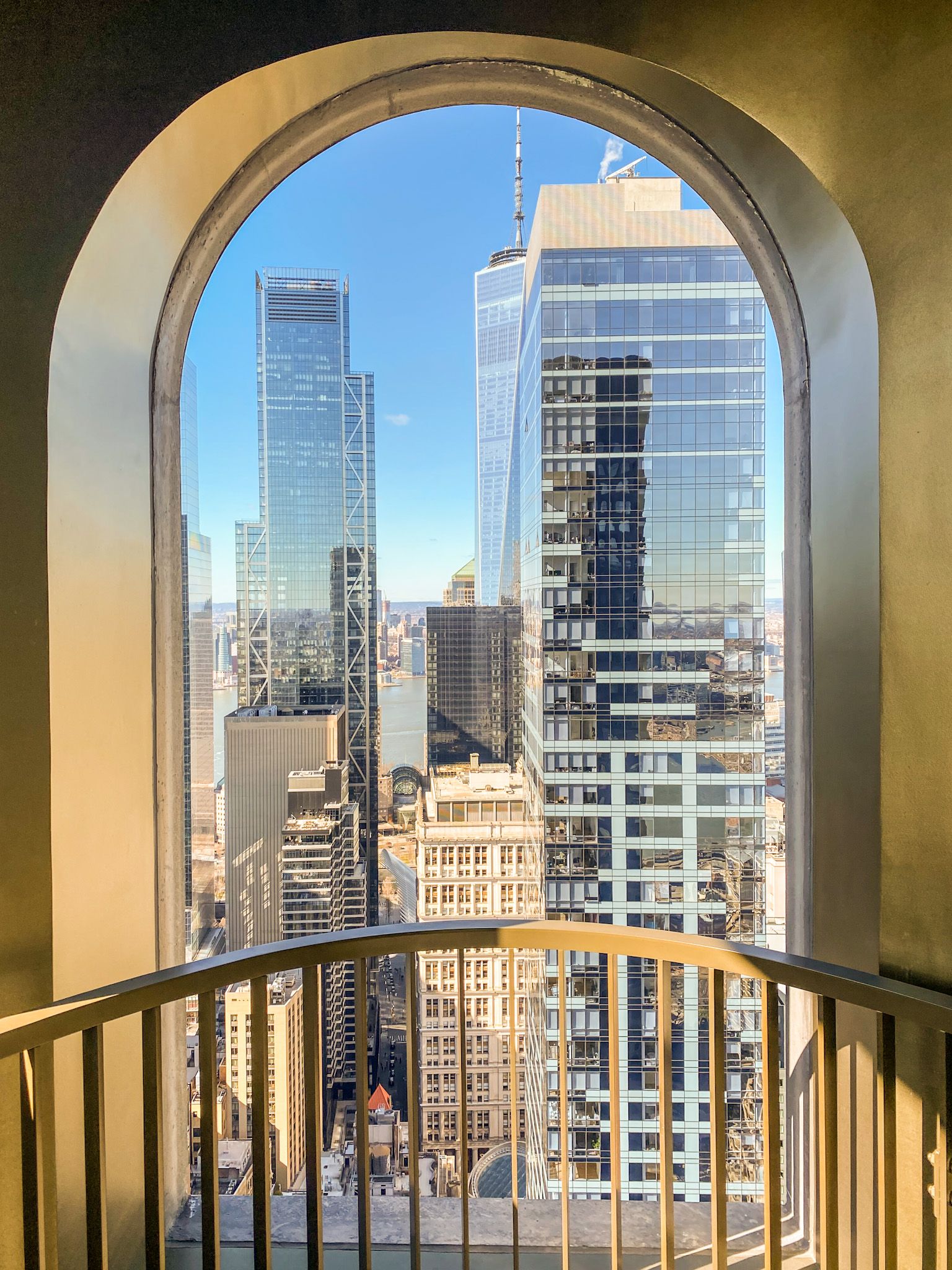
As of early 2026, the median sale price for a condo in the Financial District sits around $1.1 million – $1.3 million, with a price per square foot averaging $1,250 – $1,450 psf depending on the building and floor. Compare that to TriBeCa's $2,000+ PSF or the West Village hovering near $1,800 PSF, and the value becomes obvious.
- Studios in newer condo conversions start around $500K – $650K.
- One Bedrooms range from $750K – $1.1M.
- Two Bedrooms push $1.5M–$2.5M, but you're getting finishes and views that would cost double uptown.
Co-ops are less common down here than in the rest of Manhattan — FiDi's residential stock skews heavily condo thanks to those office conversions — but they do exist, particularly in older buildings along Water Street and in the Fulton Street corridor. Expect co-op pricing roughly 20–30% below comparable condos , with the usual board approval process and tighter subletting rules.
Rentals in FiDi remain competitive. Expect $3,200 – $3,800/month for a one-bedroom in a doorman building, and $4,500–$6,500 for a two-bedroom depending on finishes and views.
Looking to call FiDi home?
I've been selling in this neighborhood for over a decade, and know these buildings inside and out — literally.
[Let's talk →]
My Favorite FiDi Streets
Every neighborhood reveals itself through specific streets. In FiDi, these are mine:
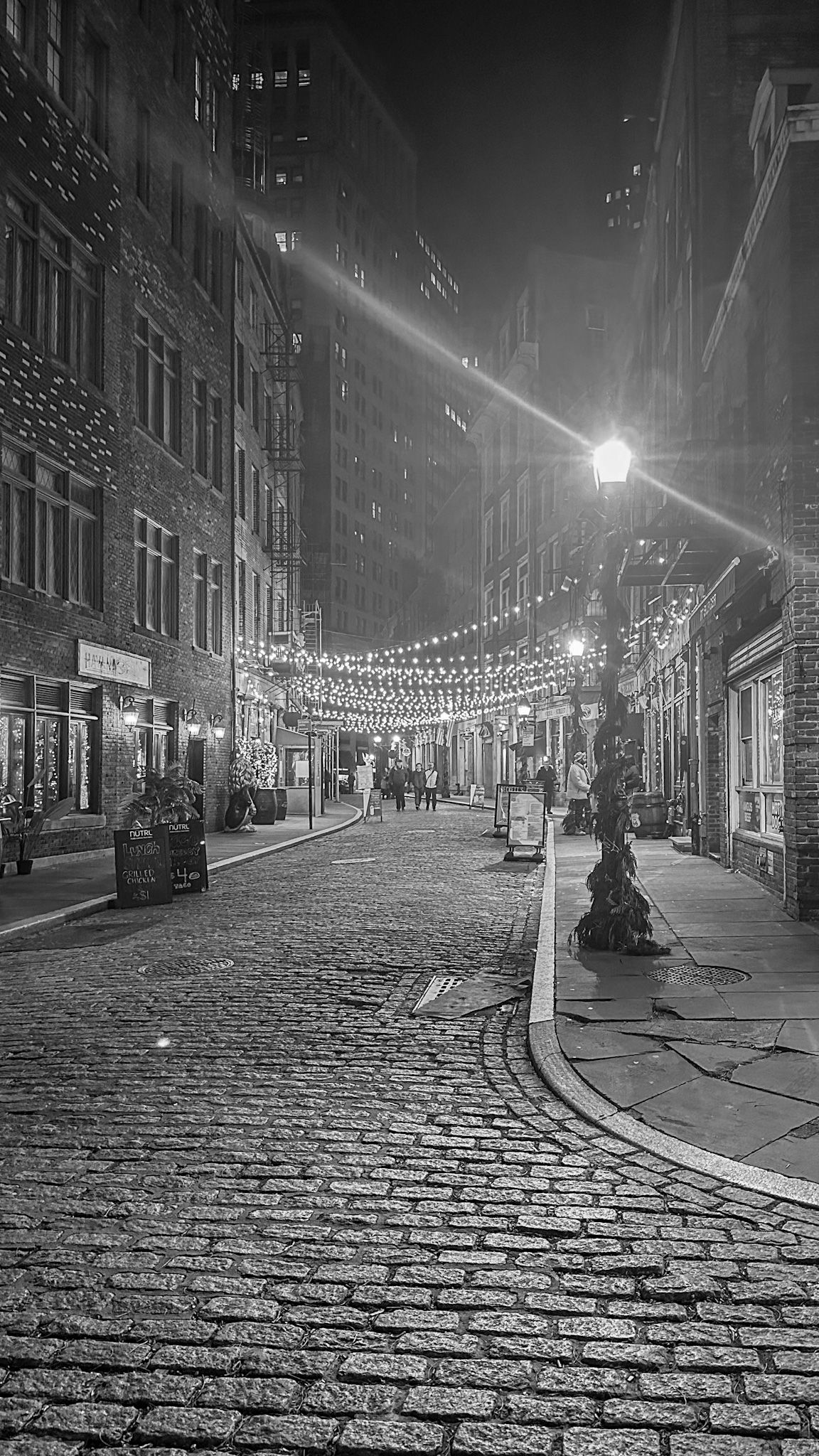
Stone Street — The most famous block in the neighborhood, and it earns it. This narrow, cobblestoned pedestrian lane between Hanover Square and Coenties Alley is lined with restaurants that spill tables outside the moment temperatures allow it. In summer, it's the closest thing Manhattan has to a European alley. In winter, the string lights and stone facades still pull you in.
Wall Street — I know, obvious. But walk it early on a weekend morning when it's empty and the Federal Reserve Bank looms silent and fortress-like at number 33, and tell me you don't feel something. The weight of history here is physical.
Fulton Street — The commercial spine that connects the Seaport to Broadway. Fulton Center — the transit hub with its massive oculus skylight — anchors the middle of this stretch. It's busier, louder, and more alive than most of FiDi.
John Street — Quieter, residential, increasingly interesting. Some of the best mid-range condo conversions sit along this stretch. It has a neighborhood feel that surprises people.
Greenwich Street (south of the Trade Center) — This is where FiDi bleeds into Battery Park City and TriBeCa. Wide sidewalks, newer construction, and a sense of openness rare for downtown.